LowCLIC
Developing low climate impact chicken
PROJECT INFO:
 |
DURATION: 2024-2028 |
 |
FUNDING: The Mission Partnership |
 |
PARTNERS: |

CHALLENGE
Chicken production has a significant climate footprint, driven primarily by feed and manure management.
TECHNOLOGY
New feed strategies, alternative protein ingredients and optimized manure treatment to reduce greenhouse gas emissions.
POTENTIAL
Up to 40% lower carbon footprint per chicken without compromising animal welfare.
Goal
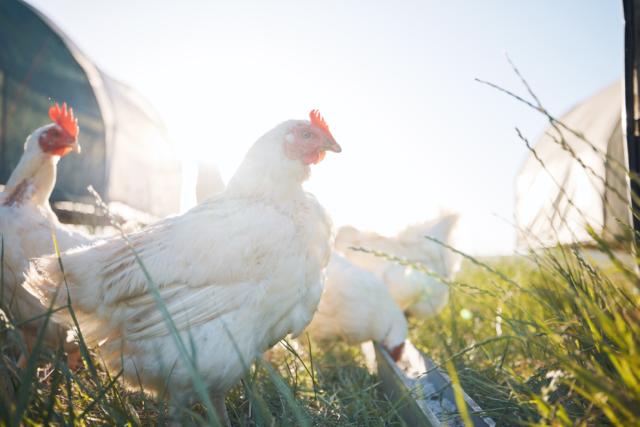
LowCLIC, aims to facilitate the development of a climate neutral welfare chicken, by reducing carbon footprint throughout the production chain of slower growing and conventional broilers without compromising animal welfare.
The overall objectives are to reduce carbon footprint from feed and manure, accounting for 95% of total greenhouse gas emissions from the chicken production chain.
Plan
Carbon footprint from feed will be reduced by lowering the use of soya and reducing kg feed per chicken by:
- Developing new nutritional norms for slower growing broilers
- Testing new feed ingredients such as enzymes, insect-, and grass protein
- Implementing a new health surveillance system.
Carbon footprint from poultry manure will be reduced by:
- Developing a manual for optimized gas production via co-digestion of manure from chickens reared on different types of feed and litter
- Improving separation, drying and NH3 capturing of biogas digestate and fluid to optimize the pyrolysis process.
Expected results
- LowCLIC is expected to cut off 40% of the total carbon footprint per chicken
- Improvements on the feed side is expected to cut off 2,7 kg CO2e per chicken (incl. LUC).
- Improvements on the manure side is expected to cut off 0,9 kg CO2e per chicken.
Finally, LowCLIC will strengthen the links between feed, management, and manure utilization throughout the chicken value chain.
PARTNERS:



Reach out to learn more about your funding opportunities:
Looking for funding opportunities for your innovation project?
The project is part of the Mission Partnership, and the funding is provided by Innovation Fund Denmark.
We continuously open new calls and programmes that support innovation within food and bioresources.

Mette Kallestrup Spring
Explore our other innovation collaborations
%2fFood+waste.png&width=640&format=webp)
Unlocking value from food waste
Converting food waste into high-value products through modular biorefining
%2fMicroalgae.jpg&width=640&format=webp)
%2fEnzyme+optimization+platform.jpg&width=640&format=webp)
%2fHealthier+diets.jpg&width=640&format=webp)
%2fWalnuts.png&width=640&format=webp)
From walnut shells to circular materials
Developing bio-based composites from underutilized food industry side streams
%2fClamp-on-FlowMeter_image.png&width=640&format=webp)
Smart monitoring for CIP
Developing AI-powered monitoring for industrial cleaning processes
%2fSvamperesistente+afgr%c3%b8der.png&width=640&format=webp)
Naturlig resistens mod svampesygdomme
Robuste afgrøder med lavere pesticidforbrug og højere klimaresiliens
%2fBiodegradable+sunscreen.jpg&width=640&format=webp)
Green Chemistry for Sun Care
Developing bio-based ingredients for the next generation of sun care products
%2fVinproduktion.jpeg&width=640&format=webp)
Mindre kemi i vinproduktionen
Udvikling af biologiske alternativer til kemisk sygdomsbekæmpelse i vinmarker
%2fTempeh.jpg&width=640&format=webp)
Tempeh af sidestrømme
Opgradering af camelina-pressekager til plantebaserede fødevarer gennem fermentering
%2fPupcene_biostimulant.jpg&width=640&format=webp)
Biostimulant fra dansk jord
Opskalering af en ny biostimulant til bæredygtig kornproduktion
%2fElbilsbatterier.png&width=640&format=webp)
Kritiske metaller i kredsløb
Udvikling af en biologisk løsning til genanvendelse af metaller fra elbilbatterier
%2fData+til+gr%c3%b8n+omstilling.jpg&width=640&format=webp)
Data til grøn omstilling
Digital platform skal styre og dokumentere effekten af biologiske virkemidler
%2fMicroalgae-derived+Ingredients.png&width=640&format=webp)
%2fK%c3%b8dhybrider.jpg&width=640&format=webp)
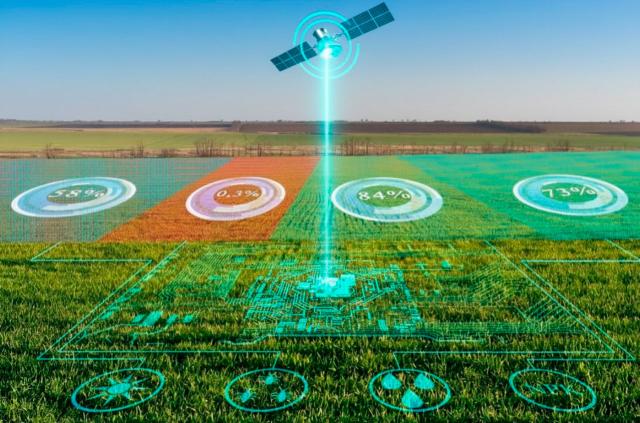
Digital jordvurdering uden fysiske prøver
AI og satellitdata til skalerbar jordkortlægning
%2fCNSL_kartoffelskimmel.jpg&width=640&format=webp)
Cashewrestprodukt mod kartoffelskimmel
Et nyt biobaseret alternativ til pesticider
%2fWeed_iStock-1694615293.jpg&width=640&format=webp)
Precision Laser Weeding
Validation of co₂ reduction potential through precision laser weeding in Danish crop production
%2fISTOCK%7e1.JPG&width=640&format=webp)
RNA som ny fødevarekomponent
Kaskadeudnyttelse af sidestrømme fra mælkepulverproduktion
%2fSOAP.jpg&width=640&format=webp)
Turning Whey into Value
Dairy side streams as ingredients for sustainable cleaning
%2fGreenBioAcids.png&width=640&format=webp)
Green BioAcids
Biologisk opgradering af sidestrømme fra fødevareindustrien til organiske syrer
AQRIFood – Phase I
Advancing the quality of plant-based raw materials and ingredients for food applications – Phase I: Raw materials and derived ingredients

Climate-friendly plant biologicals
Developing novel methods for assessing the impact of plant biologicals on crop productivity, climate, environment, and biodiversity
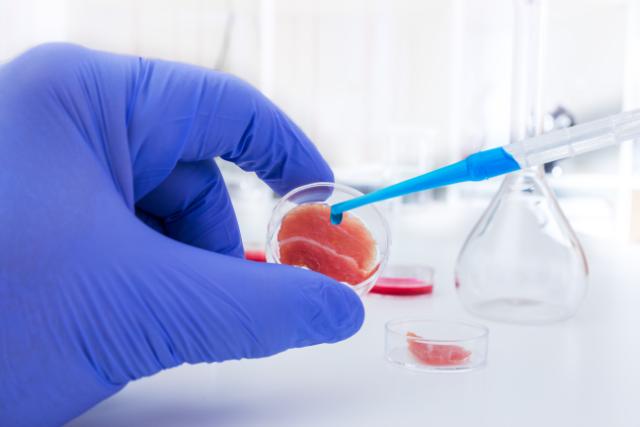
MuscleFuel
Enhancing Growth and Performance of Cultivated Muscle Cells through Targeted Hydrolysis
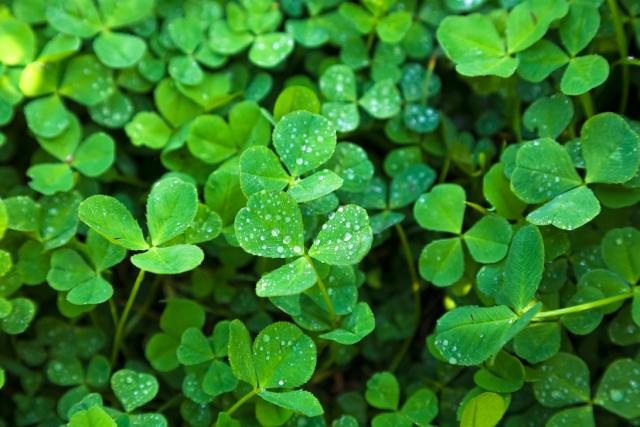
GrassProtein
Increasing the protein yield of perennial forage crops and improving biorefining efficiency to produce bioeconomically sustainable livestock feed
MYCOFLAVOR
Bioflavoring brewer’s spent grain by edible mushroom mycelium in solid-state fermentations
Nudge2Green
Understanding and impacting consumer behavior towards food sustainability
ClimateReach
Grass-based dairy systems optimizing climate and environmental footprint along the whole feed chain
FarmCH4Track
Farm methane emission reduction through sensor-based digital innovation