Bridge2Food Europe: Why a better understanding of consumers may be the missing ingredient in food innovation
QUICK OVERWIEW:
BRIDGE2FOOD EUROPE:
- Get key takeaways from Bridge2Food Europe 2026 and the discussions shaping the future of food.
- See examples of how Food & Bio Cluster Denmark supports food innovation through funding and collaboration opportunities.
- Explore new insights into what drives European consumers to adopt alternative proteins.
-5.jpg&width=640&format=webp)
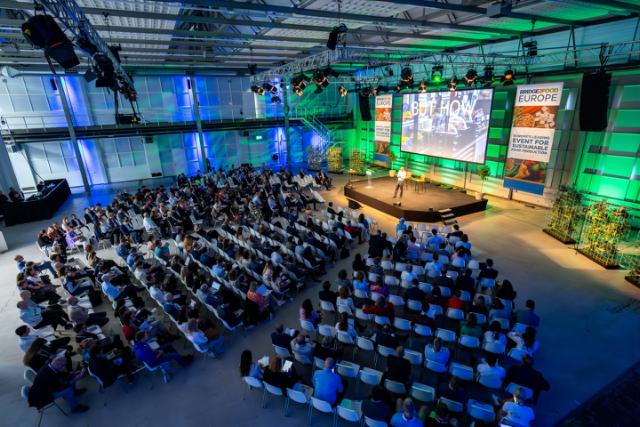
From 9 to 11 June, the global food innovation community gathered in Copenhagen for Bridge2Food Europe 2026. As co-host, Food & Bio Cluster Denmark welcomed the international community to Denmark and showcased the strengths of the Nordic food innovation ecosystem (photo: Jan Buteijn, Butino).
This week, Copenhagen welcomed food companies, startups, researchers and investors from around the world for Bridge2Food Europe 2026. Under the theme Unlocking the Consumer Code, the conference explored one of the most pressing questions facing the food industry today: How do we turn innovation into products that consumers choose again and again?
For years, the food industry has invested heavily in new ingredients, technologies and alternative proteins. Yet consumer adoption has often fallen short of expectations. Throughout the conference, keynote speakers and panel discussions repeatedly returned to the idea that the challenge may not be the products themselves, but our understanding of the people expected to buy them.
While innovation remains essential, speakers emphasised that taste, texture, convenience, trust and price continue to shape purchasing decisions. More plantbased products only create impact when they become part of everyday behaviour.
Several presentations highlighted that food choices are rarely made in isolation. They are shaped by habits, culture, social norms and the situations in which people eat. As one speaker put it, the industry may have spent too much time perfecting products and not enough time understanding the social contexts in which consumers make their choices.
The same message is reflected in the work of the EU-funded LIKE-A-PRO project, which Food & Bio Cluster Denmark is part of and showcased during Bridge2Food Europe. In a newly published report, the project explores how European consumers perceive alternative proteins, what motivates them to try new protein sources and which barriers continue to limit wider adoption. The findings suggest that social norms, familiarity and everyday food environments often matter more than sustainability arguments alone.
Denmark's recipe for food innovation
As co-host of the conference, Food & Bio Cluster Denmark's CEO, Anette Engelund Friis, shared what she described as the Danish recipe for green food innovation. The recipe consists of three key ingredients: trust, focus and ambition.
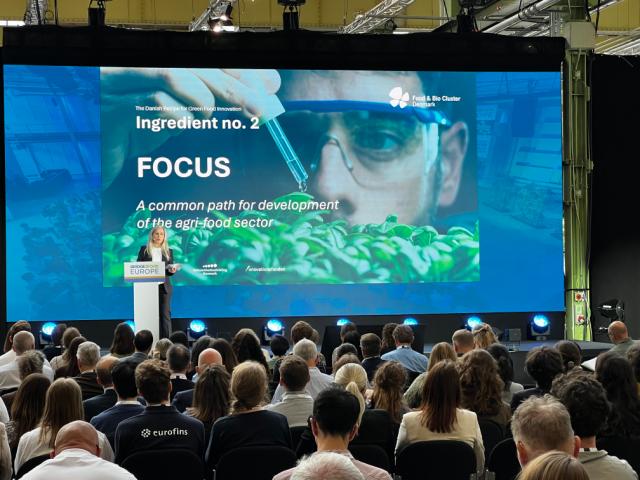
Anette Engelund Friis, CEO of Food & Bio Cluster Denmark, welcomes delegates from the main stage as co-host of Bridge2Food Europe at Lokomotivværkstedet, Copenhagen (foto: Food & Bio Cluster)
A high level of trust between companies, universities, authorities and civil society creates the foundation for collaboration. A shared national roadmap provides direction, while ambitious investments help turn ideas into real-world solutions. But according to Anette Engelund Friis, there is another essential ingredient: bringing together the right people.
"Transforming the food system requires more than great ideas. It requires strong partnerships, a shared direction and the willingness to invest in solutions that can scale. That is exactly why bringing the global food innovation community together matters."
The conference itself served as an example of this approach, bringing together actors from across the value chain to exchange knowledge, challenge assumptions and identify new opportunities for collaboration.
Startups bring new ideas to the table
While the conference explored the future of food systems from many angles, startups showcased some of the innovations already helping to bring that future closer.
At the conference's Startup Collaboration & Pitch Excellence Award, companies presented their solutions to investors, industry leaders and experts from across the value chain. The competition demonstrated the important role startups continue to play in food innovation by developing new technologies, challenge established assumptions and explore new ways of addressing some of the sector's biggest challenges.
Congratulations to Chris Spier and the entire team from Differential Bio who won the Startup Collaboration & Pitch Excellence Award. Differential Bio's AI-powered approach to optimising fermentation processes impressed both judges and audience, earning the company this year's top honour.
"We'd also like to give a big shoutout to all the amazing startups who joined in. The level of innovation was really impressive and gives a great sense of where food and biotech are headed," said Heidi Høy from Food & Bio Cluster Denmark, who moderated the pitch event* together with Shake Up Factory.
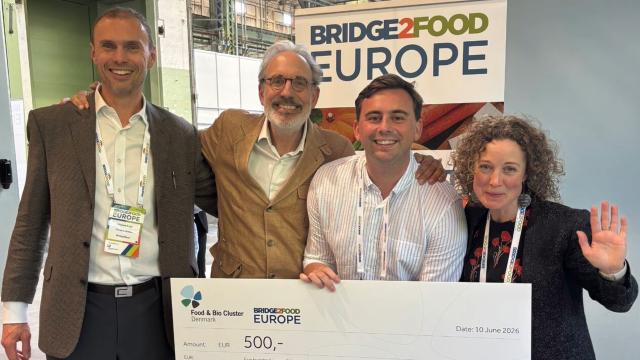
From the left: Vincent Brain (Bridge2Food), Kevin Camphuis (Shakeup Factory), Chris Spier (Differential Bio and winner of the Startup Collaboration & Pitch Excellence Award) and Heidi Høy (Food & Bio Cluster Denmark) (photo: Lucas Citron/Bridge2Food)
Turning ideas into impact
A recurring theme throughout the conference was that innovation does not happen in isolation. Turning promising ideas into scalable solutions requires access to funding, testing facilities, knowledge partners and industry networks.
In Denmark, this is supported through initiatives such as Food & Bio Cluster Denmark's Pathways to Net Zero call, which is investing DKK 88 million in ambitious research and innovation projects aimed at accelerating the green transition of the agri-food sector.
Learn more about the Pathways to Net-Zero call (application deadline 30 September 2026)
At the same time, initiatives such as Plant2Food provide companies with access to research infrastructure, expertise and collaboration opportunities that help bridge the gap between scientific knowledge and commercial application.
For SMEs looking to develop and validate new solutions, the DKK 16 million Innovation Collaboration programme (Virksomhedsudvikling Danmark) supports partnerships between companies and research organisations, helping innovative ideas move from concept to market.
Together, these initiatives help create the conditions for the next generation of food innovations to grow, scale and deliver real-world impact.
Learn more about our current funding opportunities
As Bridge2Food Europe 2026 comes to a close, one message stands out: the future of food will not be shaped by technology alone. Success will depend on our ability to combine scientific innovation with a deeper understanding of consumer behaviour, social contexts and everyday food choices.
A big thank you to the entire Bridge2Food team and everyone who joined for a fantastic and inspiring event. It has been a pleasure co-hosting this year's conference in Copenhagen.

Flere nyheder fra Food & Bio Cluster
16 digitale løsninger skal gøre fødevareproduktion fra havet mere energieffektiv
Hvordan kan digital teknologi gøre akvakultur, tangdyrkning og småskalafiskeri mere energieffektivt? Det skal et nyt europæisk projekt undersøge ved at udvikle og afprøve 16 løsninger i produktionsmiljøer i Nordsøen og Østersøen over de næste tre år.
Solid state-fermentering kan skabe mere værdi af vores sidestrømme
Kan solid state-fermentering skabe mere værdi af vores sidestrømme? Teknologien rummer potentiale for nye ingredienser og mere ressourceeffektiv produktion. Men hvordan kommer vi fra teknologisk potentiale til løsninger, der kan skaleres?
Stor interesse for Pathways to Net-Zero efter ansøgningsfristens udløb
Fristen er udløbet for Pathways to Net-Zero, hvor 88 mio. kr. skal investeres i grønne forsknings- og innovationsprojekter. Callet har mødt stor interesse, og nu går vurderingen af ansøgningerne i gang.
Når ostehåndværk møder biosolutions
Kan man skabe et plantebaseret alternativ til parmesan med den rette smag, tekstur og funktionalitet? Med ostehåndværk og biosolutions i værktøjskassen er WoW! Plantebaseret nu tæt på at bringe deres bud på markedet.
Flere biosolutions skal tage skridtet mod markedet
Biosolutions Zealand II har givet virksomheder mulighed for at udvikle og teste nye løsninger. Mød blandt andre WoW! Plantbased, og få indblik i resultaterne, erfaringerne og næste fase af innovationsindsatsen.
Join us in Sweden and explore biomanufacturing in practice
Discover how bio-based solutions move from development to scalable production and explore three reasons to join Food & Bio Cluster Denmark’s Innovation Tour to Sweden on 10-11 November.
Fynsk biosolution vil gøre køernes metan til en ressource
Kan metan fra køer blive til en ressource? Fynske GreenCow udvikler en biosolution, der omdanner metan til protein og kan sænke klimaaftrykket fra mælkeproduktion. Gennem BioNetZero skal løsningen nu tættere på markedet.
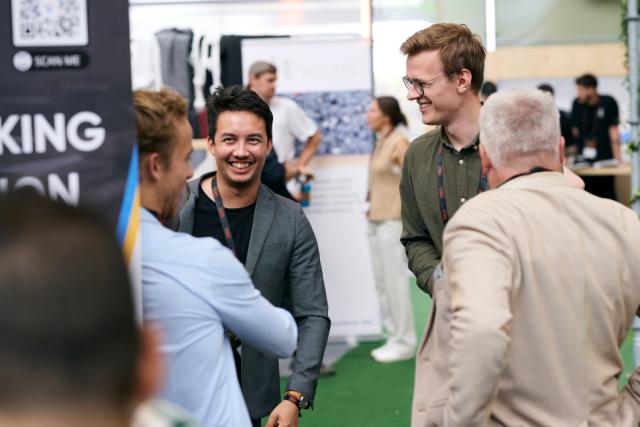
Danmarks største accelerator er åben for ansøgninger
Har din startup potentiale til at vokse, og er I klar til at tage næste skridt? Danmarks største accelerator har åbent for ansøgninger, men deadline er tæt på: 7. september.
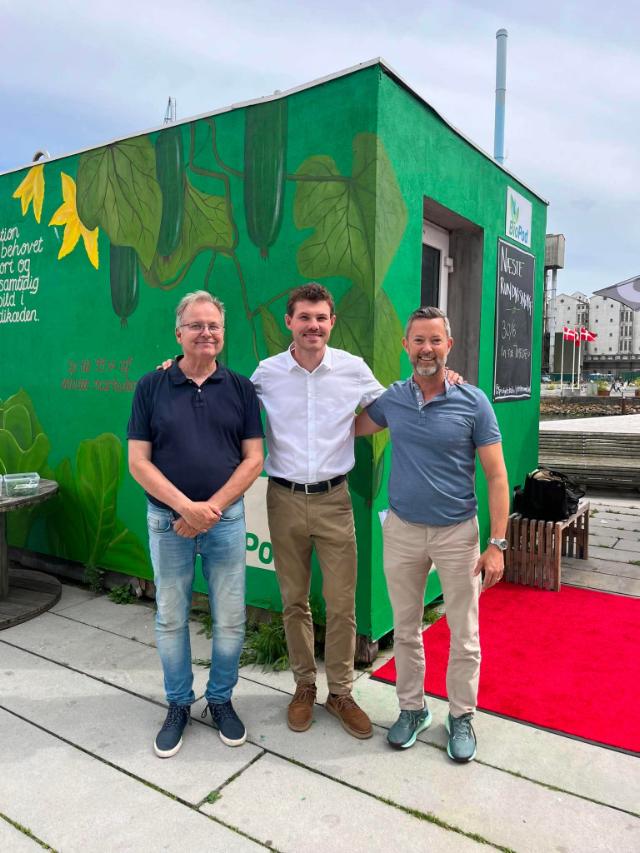
BioPod bringer fødevareproduktionen tættere på forbrugerne
Med afsæt i støtte til flere innovationsforløb har NordicFlexHouse udviklet containerbaserede dyrkningssystemer til lokale fødevarer og testet dem i alt fra restauranter og gartnerier til uddannelsesmiljøer.

Looking for the right partners for your Pathways to 2050 project?
The right partners can make the difference between a good idea and a project that creates real impact. A new matchmaking platform makes it easier to find potential partners for the Pathways to 2050 call.
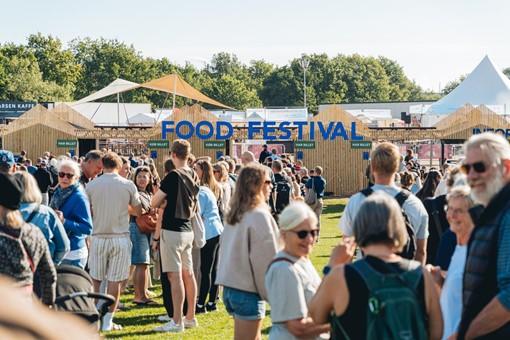
3 steder, du kan møde Food & Bio Cluster Denmark på Food Festival
Når Food Festival løber af stablen i Aarhus, er Food & Bio Cluster Denmark selvfølgelig med. Du kan møde os tre forskellige steder på festivalen, hvor vi sætter fokus på grønne måltider, nye proteiner og innovative løsninger til fremtidens fødevarer.
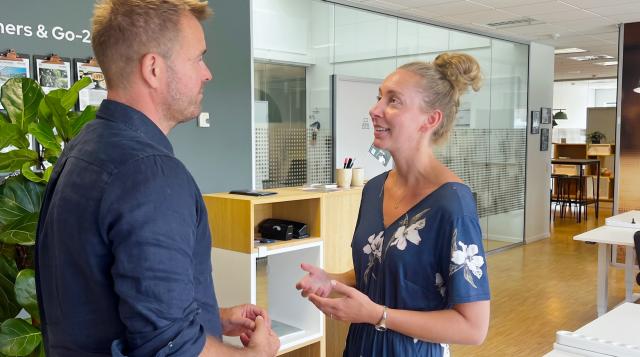
»EU-midler behøver ikke være en tung proces for SMV’er«
Der er løbende EU-midler at søge for virksomheder, der vil udvikle, teste og skalere nye løsninger. Det fortæller Helle Vedel Friis fra Food & Bio Cluster Denmark, som hver dag hjælper virksomheder med at finde vej til relevante finansieringsmuligheder.

Fra halmstrå til müsliscones
En startup med en ny ingrediens. En etableret fødevarevirksomhed med adgang til markedet. Samarbejdet mellem Paleas og Orkla Danmark viser, hvordan innovation ofte opstår, når virksomheder med forskellige styrker finder sammen.
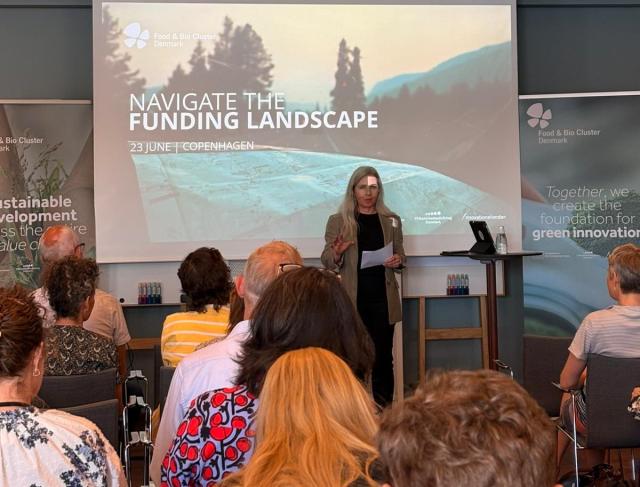
Hvad hvis den største barriere for grøn innovation ikke er idéerne – men måden, vi finansierer dem på?
Forskere, virksomheder og fundraising-specialister var samlet, da Food & Bio Cluster Denmark inviterede til workshop om fremtidens finansieringsmuligheder for den grønne omstilling.
»Vi skal sætte strøm til de løsninger, der kan omstille fødevaresektoren«
I et interview til et tillæg om Fremtidens Fødevarer i Børsen fortæller Food & Bio Clusters direktør, Anette Engelund Friis, om behovet for at accelerere implementerbare klimaløsninger og en pulje på 88 mio. kr., der nu skal sætte fart på udviklingen.
Hvordan styrker vi fødevaresektorens modstandskraft i en mere usikker verden?
Stigende råvarepriser. Geopolitisk uro. Klimaforandringer. For mange er usikkerhed ikke længere undtagelsen, men et grundvilkår. Derfor inviterer vi til roundtable hos Carlsberg Group med fokus på resiliens og fødevareforsyningssikkerhed.
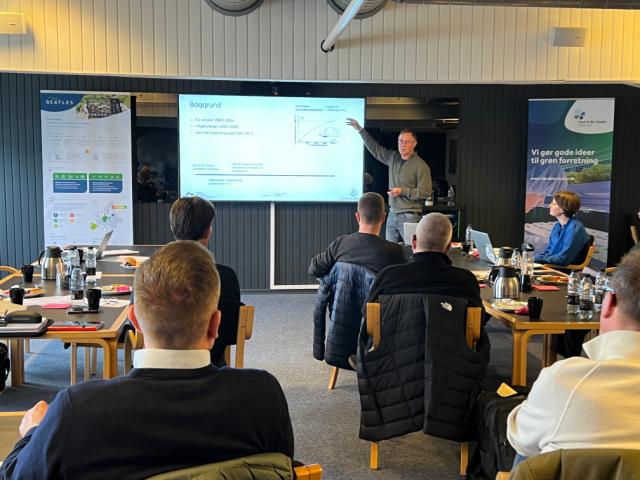
Fra teknologi til praksis i griseproduktionens klimaindsats
Erfaringer fra fire workshops peger på potentiale for at reducere klimaaftrykket i dansk griseproduktion, især gennem bedre brug af eksisterende teknologi og viden.
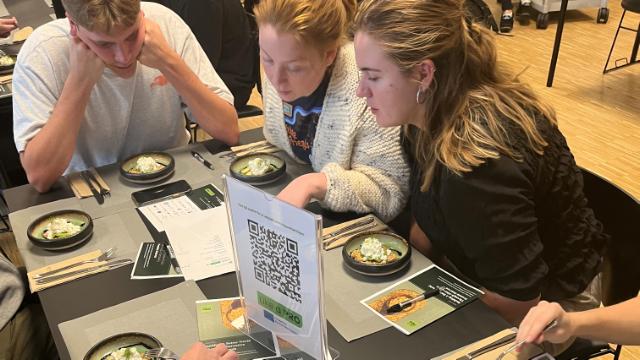
Sådan ser europæiske og danske forbrugere på alternative proteiner
En ny rapport fra det EU-finansierede projekt LIKE-A-PRO kortlægger, hvordan europæiske forbrugere forholder sig til alternative proteiner – og hvad der skal til for at gøre dem til en naturlig del af hverdagskosten.
Bridge2Food Europe: Why a better understanding of consumers may be the missing ingredient in food innovation
Three days of food innovation, consumer insights and new connections. Explore key takeaways from Bridge2Food Europe 2026, including startup highlights, emerging trends and reflections on what it takes to unlock the consumer code.
Vil du være med til at sætte retning for fremtidens grønne fødevaresystem?
Ledig stilling: Vi søger en strategisk stærk kommunikationsprofil, der kan være med til at styrke vores synlighed, samle fortællinger på tværs af organisationen og være med til at drive vores digitale og redaktionelle kommunikation.
Få støtte til at udvikle nye løsninger – sammen med de rette partnere
Søg støtte til innovationssamarbejder inden for fødevarer og bioressourcer. Få op til 2,3 mio. kr. til at udvikle nye løsninger sammen med relevante partnere.
Tillid er afgørende for at realisere potentialet i bioteknologi
Ny europæisk undersøgelse afdækker forbrugernes holdninger, forståelse og bekymringer om bioteknologi i fødevare- og biobaserede anvendelser - og peger samtidig på dialog og transparens som afgørende for at styrke tilliden.
København samler globale aktører inden for plantebaserede fødevarer og alternative proteiner
Til juni bliver København internationalt samlingspunkt for nogle af de mest centrale aktører inden for plantebaserede fødevarer og alternative proteiner, når den internationale konference Bridge2Food Europe 2026 finder sted i Danmark.
Webinar answers your questions about the Pathways to 2050 call
Get a clear guide to the requirements and application process
Ny rapport: Samspil mellem investeringer, innovation og efterspørgsel er afgørende for den planterige omstilling
Ny rapport kortlægger Danmarks plantebaserede innovationslandskab og peger på, hvordan investeringer, innovation og efterspørgsel skal spille bedre sammen for at accelerere den grønne fødevareomstilling.